

Wood Burning Stoves
Wood stoves are a great focal point for any room. They provide warmth and comfort to the room. They are also carbon neutral and can be made by reusing wood from timber merchants or from fallen dead trees.
They warm your home by combusting the logs in a fireproof box and then releasing the unburnt exhaust through an exhaust system. Modern catalytic or non-catalytic models burn smoke gas to improve efficiency.
Eco-Friendly
Anyone who wishes to be environmentally conscious can find a wood stove to be a fantastic option. The technology used in modern wood burners ensures that using the same amount of fuel you'll be able to heat your home for longer while reducing the carbon footprint. You can lower your impact on our environment by using kiln dried or seasoned wood, which burns cleaner and produces less smoke.
Wood smoke isn't good for lungs of any kind, but it can be especially harmful for young children and older adults who may already be suffering from respiratory issues. It can cause asthma attacks and worsen chronic obstructive lung diseases for those who already suffer from it.
You can prevent this by looking for an DEFRA approved wood-burning stove. These stoves are compliant with strict emission standards and are able to be used in smoke-control zones. The stoves are equipped with an internal catalytic converter that takes the gases produced during the first combustion, and re-burns in the second chamber to reduce the amount of pollutants.
Another option is to go for a multi-fuel stove that can be used with a range of different fuel types. This will decrease the need for wood and allow you to source sustainable wood locally. You'll also be able to benefit from lower energy costs by switching between different fuels depending on the available fuel.
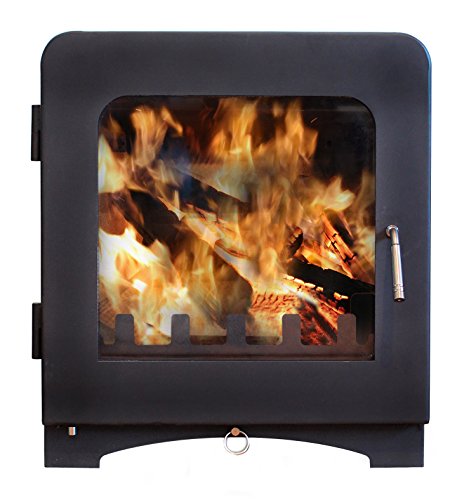
The Lowry 5X stove from The Woodford Collection offers a fantastic example of a high-efficiency stove that also complies with strict emission standards. It comes with a cleanSkies score of 5, which indicates that it produces little pollution and is suitable for use in smoke-controlled areas.
But, it's important to remember that even the latest Ecodesign compliant stoves can still create 750 times more tiny particles of pollution than an modern HGV truck can in perfect laboratory conditions. It is best to regularly clean your stove and chimney in order to remove any soot or build-up.
Energy Efficient
Compared to other heat sources such as oil, gas and electricity, wood burning stoves are extremely energy efficient. They produce more heat than their size would suggest. The heat is spread throughout the house, rather than being expelled into the chimney. This makes a wood stove very cost effective.
Generally speaking, the higher the stove's efficiency of combustion (the more of its fuel is converted to heat) the better it will be. It is also essential to look at the overall efficiency of the stove (which includes heating transfer). For more details, you can check the EPA website or ask your retailer.
Modern EPA certified wood-burning stoves generally can burn 90% more efficiently than older open fires, and even some very basic, outdated stoves. This is due to the fact that they use pre-heated combustion, insulated fireboxes and huge baffles, which allow for a longer, more hot airflow for the fuel. This also helps reduce the amount of creosote left behind.
Wood smoke is a source of small particles that can easily enter the lungs and cause breathing issues, particularly in young children, elderly people, those with respiratory ailments like asthma or COPD and those with lung damage. If you use your stove properly, it will reduce the harmful gases and ensure your family's safety.
The wood used in stoves is sourced from sustainably managed forests which helps reduce the carbon footprint of the appliance. Wood is carbon neutral. This means that the tree absorbs the same amount of CO2 from the air as it releases throughout its lifespan.
A wood burner is a great alternative to fossil fuel stoves, such as oil or gas. You will be freed from the outrageous energy costs while also having an additional source of heat for your home. Wood Stoves that burn wood are the perfect method to save money over the course of time.
Reliable
A wood stove is an investment that will last for a long time. investment that will help to keep your home warm for decades. If properly maintained it will function efficiently and provide warmth and a cozy atmosphere that other heating sources simply cannot match.
Wood stoves also have minimal moving parts, which can easily be damaged or require repair. This is particularly applicable to top-of-the-line models that are designed and manufactured by reputable companies that employ high-quality materials for the making of the stoves. Stoves made from reclaimed wood have the added benefit of being eco-friendly and aiding local communities and businesses.
In addition, the steady heat that they produce radiates from all sides and at the top of the stove, warming an area quicker than warm air forced into the room through the vent system. They are an extremely efficient and efficient way to warm any area, whether in a small cabin, or a large living room.
Wood-burning stoves are reliable since they don't require electricity to operate. This allows homeowners to have an independent source of heat that is not dependent on the power grid. This is especially beneficial in areas that experience frequent winter power outages and can ensure that a room remains warm even in the event of a failure in the electricity supply.
However, it is important to know that certain models of wood burning stoves can generate carbon monoxide. This dangerous gas can be produced if there isn't enough ventilation or if the stove is not operating properly. It is essential to install a CO detector and fresh air vents in the room in which the stove is located in.
A stove that has been registered with Underwriters Laboratories is also a great option. This means that the stove has been approved by strict safety and efficiency standards. Additionally it is important to only use dry wood with less than 20%. Moisture in wood can cause the fire to burn faster and create more smoke as well as reducing efficiencies and lowering the burn time. It is also crucial to clean the chimney and stove regularly. Cleaning them will help reduce the amount of creosote and carbon monoxide that is generated when the stove is operated improperly.
Cosy
A wood burning stove is a perfect feature for any room as the winter chill sets in. It's not just a warm and cost-effective backup heating source, but its roaring flames create a cozy atmosphere. With a wide range of options on offer in terms of style and colour, you can find a log stove that is perfect for your home's decor.
When you are choosing a wood-burning stove, it's important to consider the type of fuel you want to use and the amount of heat you'll need to keep your home cosy. For instance, if you reside in a cold climate, it's worth looking at a larger model that can take on larger logs for a longer time to help you get through the winter. small wood burning heater could also be eligible for government assistance through the RHI scheme if you go for an Ecodesign Ready stove.
Another thing to consider is the heat capacity of your space. Many manufacturers offer a variety of models in different sizes which means you can pick the best size for your space. When deciding the size of your wood-burning stove, think about any other heating needs you may have in your home.
The stoves come in a variety of colours and can be built into the wall or freestanding. Some models are designed with log storage as element of their design, offering the benefit of easy access to your logs as well as a unified appearance for the stove and the log store. Log storage models also aid in drying the logs, decreasing their moisture content and enhancing combustion efficiency when burnt.
A variety of colors are offered for log-burning stoves, including traditional black as well as modern alternatives such as rich browns and terracotta hues. Black is a common colour since it hides soot and creates an elegant appearance. However, colored stoves can add a unique look.